
- Nonwoven Fabrics
- Tailor Made Masterbatch
- Plastic Masterbatch
- Chemical Fiber Masterbatch
- Functional Masterbatch
- Machinery
- Spunbond PP Nonwoven Masterbatch
- Mono Color Masterbatch
- Liquid Color Masterbatch
- Non-woven Masterbatch
- Polyester Fiber Masterbatch
- Nylon Fiber Masterbatch
- Polypropylene Fiber Masterbatch
- Lab Nonwoven Machine
- Lab BCF Machine
- Dryer
- Filler Masterbatch
- Growing Popularity of Dope‑dyeing Drives Formula Upgrading In Masterbatch Industry
- Mono Color Masterbatch, Stable Coloring Raw Material For Plastic And Chemical Fiber Processing
- Influence Of Carrier Matching Of Chemical Fiber Masterbatch On Spinning Production
- Lab‑scale Spinning Test Equipment Empowers Pre‑verification Of Chemical‑fiber Masterbatch Formulas
- Plastic Masterbatch for Stable Coloring of Plastics
- Downstream Application Iteration Drives Refined Customization in Masterbatch Industry
- Mobile: +8613430333258
- WhatsApp: +8613430333258
- Email:wendy@ytlc-colour.com
- Address:DALAN INDUSTRIAL PARK, ZHANGXING TOWN, ZHAOYUAN CITY, SHANDONG, CHINA
Textile and plastic processing industries keep evolving. Rising adoption of dope‑dyeing pushes upstream masterbatch sector to adjust R&D directions. Conventional post‑dyeing consumes large volumes of water. Dope‑dyeing realizes one‑step coloring by adding masterbatch during melting phase, which aligns with low‑carbon manufacturing trends. More chemical‑fiber and non‑woven manufacturers adopt this process.
Market shifts bring more refined technical requirements for masterbatch. Formulation standards differ greatly between injection‑grade and spinning‑grade masterbatch. Spinning‑grade masterbatch demands superior dispersion and high purity to avoid filter blocking, filament breakage and fiber defects. Beyond basic coloring, downstream clients expect integrated functions such as anti‑UV, flame retardant, anti‑static and hydrophilic performance, so coloring and modification can be finished in one step to simplify production workflows.
Growing share of small‑batch and multi‑variety orders places higher requirements on flexible R&D capacity. Demands including custom color matching, special‑substrate adaptation and unique working conditions keep increasing. Masterbatch suppliers need lab facilities and pilot‑scale testing equipment to validate formulas, reducing material loss and production‑line downtime for customers during mass trial runs. Reliable testing infrastructure is essential to control key indexes such as heat resistance, dispersion and color difference.
Yantai Langcai Plastic Technology Co.,Ltd focuses on masterbatch production, supplying PP, PET, PA fiber masterbatch, non‑woven masterbatch and various functional masterbatch products. The company maintains dedicated test base with spinning pilot machines for formula simulation and verification. Formulas are optimized for different substrates and application scenarios, supporting both mass‑volume orders and custom sampling requests. Keeping pace with market changes of chemical‑fiber and plastic sectors, it provides integrated coloring and modification raw‑material support for downstream manufacturers.
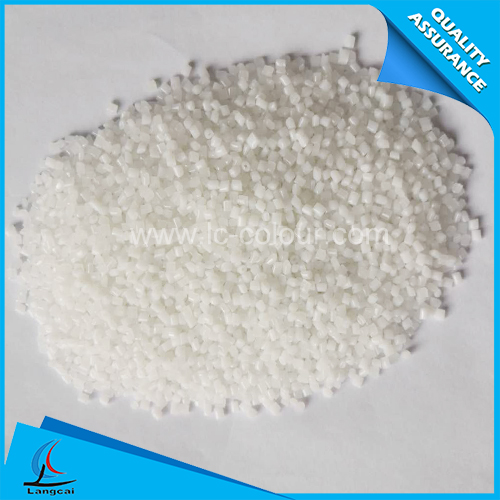
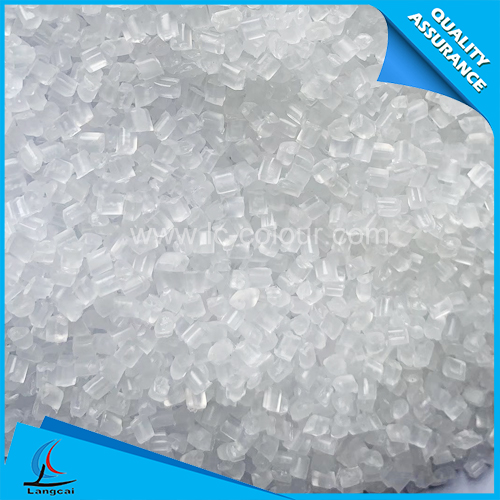
- Growing Popularity of Dope‑dyeing Drives Formula Upgrading In Masterbatch Industry
- Mono Color Masterbatch, Stable Coloring Raw Material For Plastic And Chemical Fiber Proces
- Lab‑scale Spinning Test Equipment Empowers Pre‑verification Of Chemical‑
- Influence Of Carrier Matching Of Chemical Fiber Masterbatch On Spinning Production
- Downstream Application Iteration Drives Refined Customization in Masterbatch Industry
- Plastic Masterbatch for Stable Coloring of Plastics
- Dope‑dyeing Drives Masterbatch Upgrading toward Customized & Functional ChemicalR
- Chemical Fiber Masterbatch Adapts to Diverse Spinning Scenarios to Promote Dope‑dyei
- Key Control Points for Storage and Feeding‑System Matching of Mono Color Masterbatch
- Key Points of Metering‑System Control During Color‑Mixing with Mono Color Mast