
- Nonwoven Fabrics
- Tailor Made Masterbatch
- Plastic Masterbatch
- Chemical Fiber Masterbatch
- Functional Masterbatch
- Machinery
- Spunbond PP Nonwoven Masterbatch
- Mono Color Masterbatch
- Liquid Color Masterbatch
- Non-woven Masterbatch
- Polyester Fiber Masterbatch
- Nylon Fiber Masterbatch
- Polypropylene Fiber Masterbatch
- Lab Nonwoven Machine
- Lab BCF Machine
- Dryer
- Filler Masterbatch
- Key Control Points for Storage and Feeding‑System Matching of Mono Color Masterbatch
- Key Points of Metering‑System Control During Color‑Mixing with Mono Color Masterbatch
- Practical Points of Polyester Fiber Masterbatch for Recycled‑PET Spinning
- Application of High‑Fastness Polyester Fiber Masterbatch in Industrial Textiles
- Batch‑to‑batch Color Deviation of Colored Polyester Yarn: Easily‑ignored Carrier Compatibility of Polyester Fiber Masterbatch
- Rapid Pressure Rise of Polyester Spinning Pack: How to Evaluate Dispersion Performance of Polyester Fiber Masterbatch
- Mobile: +8613430333258
- WhatsApp: +8613430333258
- Email:wendy@ytlc-colour.com
- Address:DALAN INDUSTRIAL PARK, ZHANGXING TOWN, ZHAOYUAN CITY, SHANDONG, CHINA
Mono color masterbatch shows stable pellet form, nevertheless, changes of storage environment and feeding‑system working conditions may bring variables to downstream coloring production. Many processors focus on masterbatch formula and color‑code checking, while neglect storage and feeding links. Even qualified masterbatch out‑of‑factory may cause color difference and speckle defects of finished goods.
Moisture‑proof measures shall be adopted in warehouse. Carrier resin of mono color masterbatch absorbs certain amount of moisture. Once packages are broken and pellets are exposed to high‑humidity atmosphere, water vapor will be absorbed. Feeding damp pellets directly into extruder generates tiny bubbles inside melt under high temperature and brings pits and blisters on product surface. Keep original packages intact, store materials by batches, implement first‑in‑first‑out principle and avoid long‑term stock‑piling. Keep away from heat sources to prevent pellet caking by partial heating.
Feeder condition directly determines dosing stability. Bridging and arching inside loss‑in‑weight feeder hopper cause discontinuous feeding and actual‑dosage fluctuation, which further generates batch‑to‑batch color deviation. Clean fine powder adhering to hopper inner wall regularly to avoid feeding obstruction. Calibrate equipment periodically instead of merely relying on initial calibration data.
Simple cleaning for hopper and feeding pipeline is recommended during batch change‑over of mono color masterbatch, to prevent residual pellets from former batch mixing into new materials and produce mixed‑color spots. Residual interference becomes more obvious for small‑batch compound coloring with multiple kinds of mono color masterbatch sharing one feeding pipeline.
Mono color masterbatch supplied by Yantai Langcai Plastic Technology Co.,Ltd. adopts moisture‑proof sealed package to reduce caking risk during storage and transportation. Practical suggestions for storage and feeder maintenance are available for customers.
Reasonable storage protection and regular feeder calibration reduce disturbances from storage and feeding procedures, realize original coloring performance of mono color masterbatch and stabilize coloring quality of plastic and chemical‑fiber products.
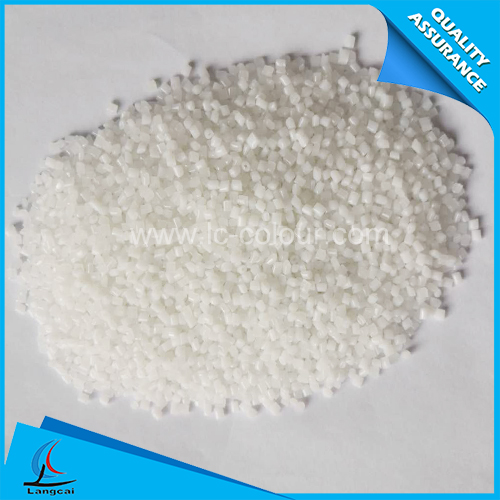
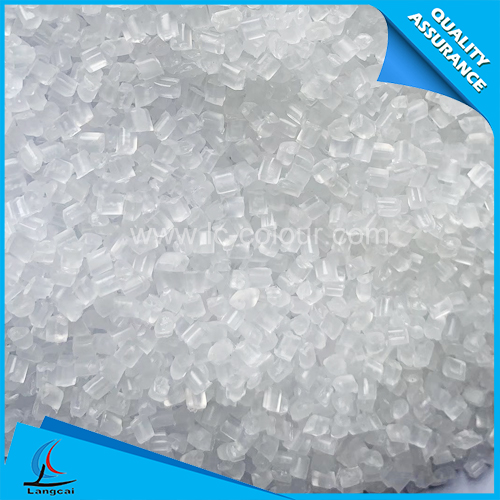
- Key Control Points for Storage and Feeding‑System Matching of Mono Color Masterbatch
- Key Points of Metering‑System Control During Color‑Mixing with Mono Color Mast
- Application of High‑Fastness Polyester Fiber Masterbatch in Industrial Textiles
- Practical Points of Polyester Fiber Masterbatch for Recycled‑PET Spinning
- Batch‑to‑batch Color Deviation of Colored Polyester Yarn: Easily‑ignored
- Rapid Pressure Rise of Polyester Spinning Pack: How to Evaluate Dispersion Performance of
- Functional Masterbatch Development for Nonwovens: What Does the New Anti-Slip Technology I
- How Can Mono Color Masterbatch Adapt to Different Plastic Applications? Key Factors from C
- Plastic Processing Shifts to Multi‑variety & Small‑batch Production, Mono̴
- Peak Season for Plastic Processing in Golden Autumn|Yantai Liangcai Plastic Technology Co.