
- Nonwoven Fabrics
- Tailor Made Masterbatch
- Plastic Masterbatch
- Chemical Fiber Masterbatch
- Functional Masterbatch
- Machinery
- Spunbond PP Nonwoven Masterbatch
- Mono Color Masterbatch
- Liquid Color Masterbatch
- Non-woven Masterbatch
- Polyester Fiber Masterbatch
- Nylon Fiber Masterbatch
- Polypropylene Fiber Masterbatch
- Lab Nonwoven Machine
- Lab BCF Machine
- Dryer
- Filler Masterbatch
- Plastic Masterbatch for Stable Coloring of Plastics
- Downstream Application Iteration Drives Refined Customization in Masterbatch Industry
- Chemical Fiber Masterbatch Adapts to Diverse Spinning Scenarios to Promote Dope‑dyeing Implementation
- Dope‑dyeing Drives Masterbatch Upgrading toward Customized & Functional Chemical‑fiber Raw Materials
- Key Control Points for Storage and Feeding‑System Matching of Mono Color Masterbatch
- Key Points of Metering‑System Control During Color‑Mixing with Mono Color Masterbatch
- Mobile: +8613430333258
- WhatsApp: +8613430333258
- Email:wendy@ytlc-colour.com
- Address:DALAN INDUSTRIAL PARK, ZHANGXING TOWN, ZHAOYUAN CITY, SHANDONG, CHINA
With continuous upgrading of domestic plastic processing industry, requirements for masterbatch products from downstream sectors go far beyond simple coloring. Refined customization has become a major development direction for the masterbatch sector. Updated products in packaging, household supplies, chemical fiber and outdoor goods push upstream masterbatch manufacturers to improve formula research, color matching capability and process adaptability.
Large‑scale application of recycled plastics brings new challenges for masterbatch production. Recycled materials show fluctuating substrate performance, which puts higher demands on masterbatch dispersion and processing adaptability. Special masterbatch for recycled polymer systems attracts growing attention from plastic processors. Meanwhile, global compliance standards keep updating. Products for food contact, children articles and medical devices impose stricter control on safety test and migration index of masterbatch raw materials. Compliance capacity serves as a core competitive threshold for suppliers.
Market demand for functional masterbatch keeps growing. Modified masterbatch with anti‑aging, antibacterial, flame‑retardant and hydrophilic properties, combined with color masterbatch, supports downstream manufacturers to develop differentiated goods. Processing equipment varies a lot in shear force and temperature among spinning, injection molding, coating and non‑woven production lines. One single masterbatch grade cannot fit all working conditions, which highlights the value of pre‑production trials and technical communication.
Masterbatch manufacturers shall build complete service covering raw material screening, formula tuning and on‑site technical support, adjusting solutions according to customers’ resin grades, equipment and end‑uses. Yantai Langcai Plastic Technology Co.,Ltd relies on professional color‑matching team and testing base to deliver customized masterbatch for fiber, injection molding and non‑woven applications, supporting clients in sample tests and solving practical coloring and modification issues. Long‑term industrial growth calls for deep cooperation between masterbatch producers and downstream processors to explore new material application potential.
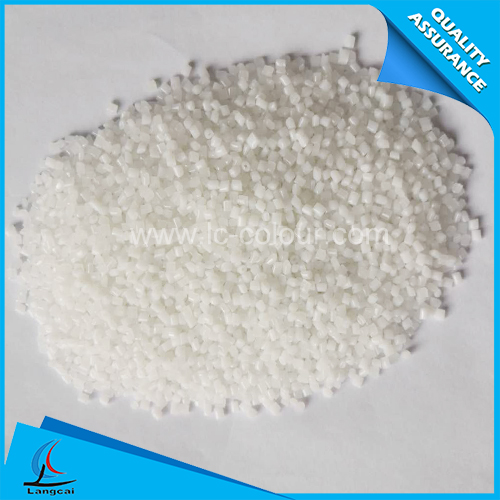
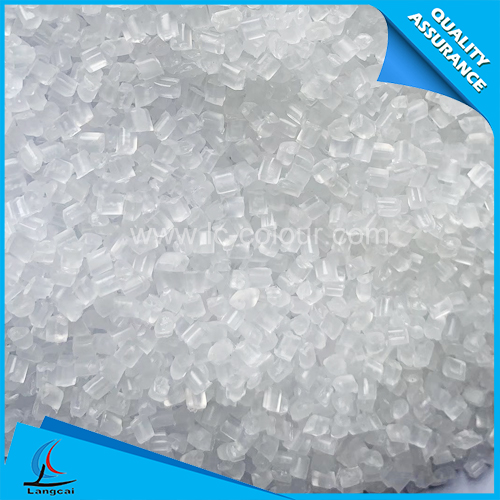
- Downstream Application Iteration Drives Refined Customization in Masterbatch Industry
- Plastic Masterbatch for Stable Coloring of Plastics
- Dope‑dyeing Drives Masterbatch Upgrading toward Customized & Functional ChemicalR
- Chemical Fiber Masterbatch Adapts to Diverse Spinning Scenarios to Promote Dope‑dyei
- Key Control Points for Storage and Feeding‑System Matching of Mono Color Masterbatch
- Key Points of Metering‑System Control During Color‑Mixing with Mono Color Mast
- Application of High‑Fastness Polyester Fiber Masterbatch in Industrial Textiles
- Practical Points of Polyester Fiber Masterbatch for Recycled‑PET Spinning
- Batch‑to‑batch Color Deviation of Colored Polyester Yarn: Easily‑ignored
- Rapid Pressure Rise of Polyester Spinning Pack: How to Evaluate Dispersion Performance of