
- Nonwoven Fabrics
- Tailor Made Masterbatch
- Plastic Masterbatch
- Chemical Fiber Masterbatch
- Functional Masterbatch
- Machinery
- Spunbond PP Nonwoven Masterbatch
- Mono Color Masterbatch
- Liquid Color Masterbatch
- Non-woven Masterbatch
- Polyester Fiber Masterbatch
- Nylon Fiber Masterbatch
- Polypropylene Fiber Masterbatch
- Lab Nonwoven Machine
- Lab BCF Machine
- Dryer
- Filler Masterbatch
- Dope‑dyeing Drives Masterbatch Upgrading toward Customized & Functional Chemical‑fiber Raw Materials
- Chemical Fiber Masterbatch Adapts to Diverse Spinning Scenarios to Promote Dope‑dyeing Implementation
- Key Control Points for Storage and Feeding‑System Matching of Mono Color Masterbatch
- Key Points of Metering‑System Control During Color‑Mixing with Mono Color Masterbatch
- Practical Points of Polyester Fiber Masterbatch for Recycled‑PET Spinning
- Application of High‑Fastness Polyester Fiber Masterbatch in Industrial Textiles
- Mobile: +8613430333258
- WhatsApp: +8613430333258
- Email:wendy@ytlc-colour.com
- Address:DALAN INDUSTRIAL PARK, ZHANGXING TOWN, ZHAOYUAN CITY, SHANDONG, CHINA
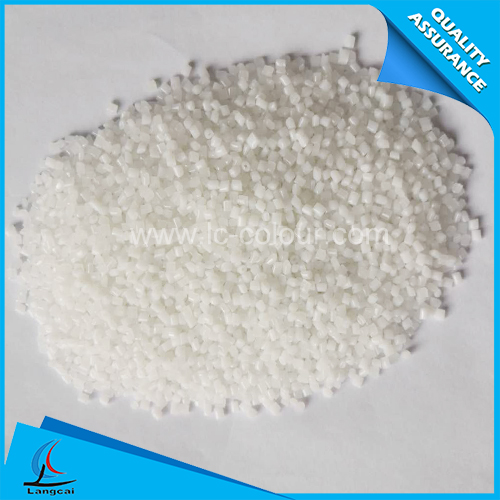
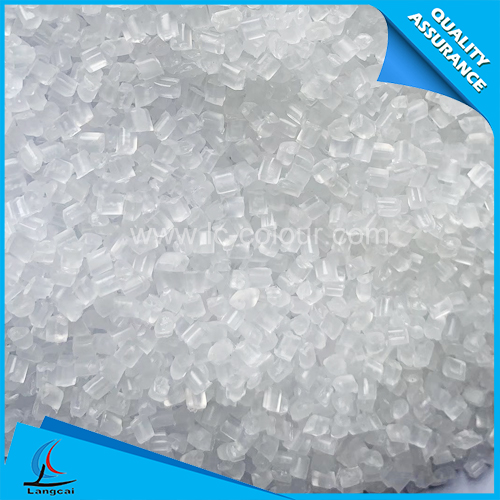
Chemical fiber masterbatch acts as core raw material for dope‑dyeing process. It is compounded by pigments, carrier resins and auxiliaries through mixing, extruding and pelletizing. Added into polymer melt during spinning, it produces colored fiber directly without post‑dyeing procedures. It is compatible with polypropylene, polyester, polyamide and other substrates, widely used for filament, staple fiber, BCF yarn and non‑woven fabrics. High‑speed spinning, non‑woven spinning and BCF spinning set different technical standards on heat resistance, dispersion and melt flow property of masterbatch.
Matching between carrier resin and fiber substrate determines spinning stability. Poor compatibility may cause filter pressure rise, spinneret blockage, yarn breakage, crystal spots and batch‑to‑batch color difference. Besides basic coloration, functional Chemical fiber masterbatch gains growing market demand. Anti‑aging, flame‑retardant, anti‑static, antibacterial and hydrophilic masterbatch endow fibers with extra properties for automotive interior, geotextile, hygiene material and outdoor textile applications.
Yantai Langcai Plastic Technology Co.,Ltd focuses on R&D and production of Chemical fiber masterbatch with annual capacity of 10000 tons. It builds dedicated testing base for formula adjustment according to real spinning conditions. Its product portfolio covers PP fiber masterbatch, polyester fiber masterbatch, polyamide fiber masterbatch, non‑woven masterbatch and various functional masterbatch, supporting custom single‑color and complex‑color matching. Formulas are adjusted based on customer’s spinning equipment, processing temperature and adding ratio to reduce production losses for downstream users.
Qualified Chemical fiber masterbatch helps fiber producers maintain stable color consistency and good color fastness, while cutting water consumption for greener manufacturing. The company supports sample trial and mass delivery, providing formula, color‑matching and process‑assistance technical service for chemical fiber and non‑woven manufacturers, delivering reliable dope‑dyeing raw‑material solutions for domestic and overseas clients.
- Dope‑dyeing Drives Masterbatch Upgrading toward Customized & Functional ChemicalR
- Chemical Fiber Masterbatch Adapts to Diverse Spinning Scenarios to Promote Dope‑dyei
- Key Control Points for Storage and Feeding‑System Matching of Mono Color Masterbatch
- Key Points of Metering‑System Control During Color‑Mixing with Mono Color Mast
- Application of High‑Fastness Polyester Fiber Masterbatch in Industrial Textiles
- Practical Points of Polyester Fiber Masterbatch for Recycled‑PET Spinning
- Batch‑to‑batch Color Deviation of Colored Polyester Yarn: Easily‑ignored
- Rapid Pressure Rise of Polyester Spinning Pack: How to Evaluate Dispersion Performance of
- Functional Masterbatch Development for Nonwovens: What Does the New Anti-Slip Technology I
- How Can Mono Color Masterbatch Adapt to Different Plastic Applications? Key Factors from C