
- Nonwoven Fabrics
- Tailor Made Masterbatch
- Plastic Masterbatch
- Chemical Fiber Masterbatch
- Functional Masterbatch
- Machinery
- Spunbond PP Nonwoven Masterbatch
- Mono Color Masterbatch
- Liquid Color Masterbatch
- Non-woven Masterbatch
- Polyester Fiber Masterbatch
- Nylon Fiber Masterbatch
- Polypropylene Fiber Masterbatch
- Lab Nonwoven Machine
- Lab BCF Machine
- Dryer
- Filler Masterbatch
- Plastic Masterbatch for Stable Coloring of Plastics
- Downstream Application Iteration Drives Refined Customization in Masterbatch Industry
- Chemical Fiber Masterbatch Adapts to Diverse Spinning Scenarios to Promote Dope‑dyeing Implementation
- Dope‑dyeing Drives Masterbatch Upgrading toward Customized & Functional Chemical‑fiber Raw Materials
- Key Control Points for Storage and Feeding‑System Matching of Mono Color Masterbatch
- Key Points of Metering‑System Control During Color‑Mixing with Mono Color Masterbatch
- Mobile: +8613430333258
- WhatsApp: +8613430333258
- Email:wendy@ytlc-colour.com
- Address:DALAN INDUSTRIAL PARK, ZHANGXING TOWN, ZHAOYUAN CITY, SHANDONG, CHINA
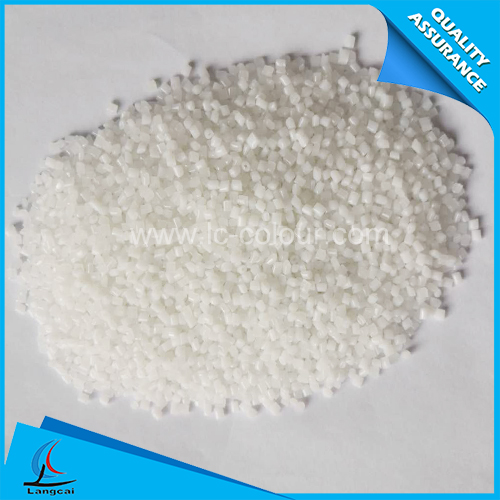
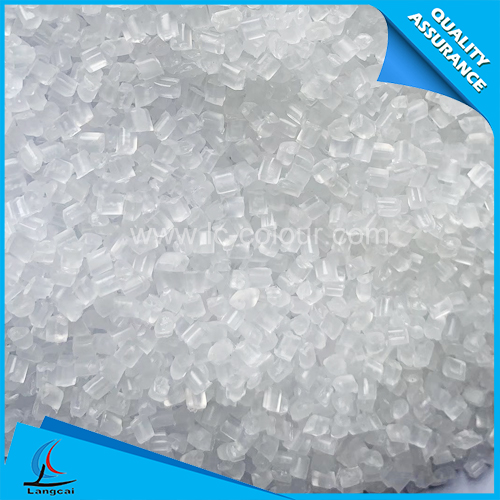
Plastic masterbatch is a vital coloring and modifying material for plastic processing industry. It is manufactured by compounding high‑concentration pigments, carrier resins and processing additives through internal mixing, extrusion and pelletizing. It fits well with various molding processes such as injection molding, extrusion, film blowing and fiber spinning. Compared with direct addition of powder pigments, Plastic masterbatch reduces pigment dust in workshops and material waste during production.
Carrier resin compatibility stands as a key factor for masterbatch selection. Substrates including PP, PE, PET and PA require matched carrier systems. Poor compatibility may lead to color spots, streaks and weakened mechanical performance of finished goods. High‑quality Plastic masterbatch delivers reliable pigment dispersion and consistent color across mass‑production batches, lowering defect rates caused by color deviation.
Beyond basic coloring, modern Plastic masterbatch can integrate multiple functions including anti‑aging, flame retardant, antistatic and antibacterial properties. It realizes coloring and modification in one step, simplifies batching procedures and shortens sample‑developing cycles. Industries such as packaging, household goods, toy manufacturing and medical devices set different standards on heat resistance, migration resistance and environmental compliance. End‑use scenarios shall be considered for proper formulation selection.
Many processors only focus on unit price while ignoring actual let‑down ratio, which may raise overall costs. Provide substrate grade, processing temperature, product thickness and service environment for better customized solutions. Properly selected Plastic masterbatch balances appearance quality, production stability and total cost, supporting manufacturers to enhance market competitiveness.
- Downstream Application Iteration Drives Refined Customization in Masterbatch Industry
- Plastic Masterbatch for Stable Coloring of Plastics
- Dope‑dyeing Drives Masterbatch Upgrading toward Customized & Functional ChemicalR
- Chemical Fiber Masterbatch Adapts to Diverse Spinning Scenarios to Promote Dope‑dyei
- Key Control Points for Storage and Feeding‑System Matching of Mono Color Masterbatch
- Key Points of Metering‑System Control During Color‑Mixing with Mono Color Mast
- Application of High‑Fastness Polyester Fiber Masterbatch in Industrial Textiles
- Practical Points of Polyester Fiber Masterbatch for Recycled‑PET Spinning
- Batch‑to‑batch Color Deviation of Colored Polyester Yarn: Easily‑ignored
- Rapid Pressure Rise of Polyester Spinning Pack: How to Evaluate Dispersion Performance of