
- Nonwoven Fabrics
- Tailor Made Masterbatch
- Plastic Masterbatch
- Chemical Fiber Masterbatch
- Functional Masterbatch
- Machinery
- Spunbond PP Nonwoven Masterbatch
- Mono Color Masterbatch
- Liquid Color Masterbatch
- Non-woven Masterbatch
- Polyester Fiber Masterbatch
- Nylon Fiber Masterbatch
- Polypropylene Fiber Masterbatch
- Lab Nonwoven Machine
- Lab BCF Machine
- Dryer
- Filler Masterbatch
- Growing Popularity of Dope‑dyeing Drives Formula Upgrading In Masterbatch Industry
- Mono Color Masterbatch, Stable Coloring Raw Material For Plastic And Chemical Fiber Processing
- Influence Of Carrier Matching Of Chemical Fiber Masterbatch On Spinning Production
- Lab‑scale Spinning Test Equipment Empowers Pre‑verification Of Chemical‑fiber Masterbatch Formulas
- Plastic Masterbatch for Stable Coloring of Plastics
- Downstream Application Iteration Drives Refined Customization in Masterbatch Industry
- Mobile: +8613430333258
- WhatsApp: +8613430333258
- Email:wendy@ytlc-colour.com
- Address:DALAN INDUSTRIAL PARK, ZHANGXING TOWN, ZHAOYUAN CITY, SHANDONG, CHINA
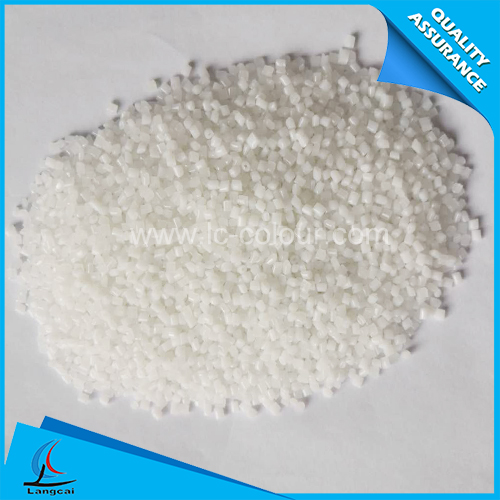
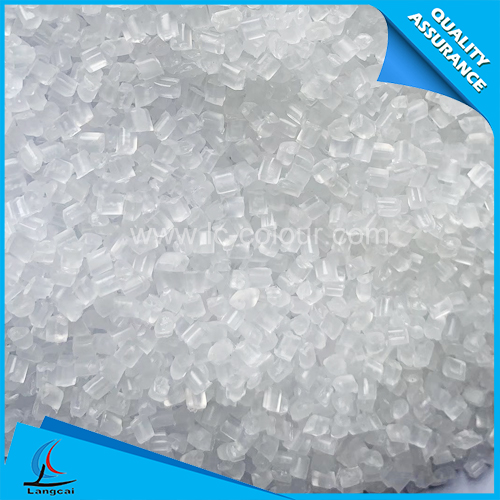
During plastic and chemical‑fiber processing, coloring performance directly determines product appearance and market recognition. As mainstream concentrated coloring material, mono color masterbatch is widely adopted in injection molding, extrusion, film blowing, and dope‑dyeing for chemical fibers. Made of high‑concentration pigments, matched carrier resin and processing additives, mono color masterbatch is pelletized via internal mixing, twin‑screw extrusion and cutting. It is blended with natural base resin in proper proportion to realize product coloring.
Compared with direct pigment‑powder feeding, mono color masterbatch helps reduce workshop dust and simplifies metering operation. Pre‑dispersed pigments contribute to even and stable color performance. Carrier resin is selected according to downstream substrates including PP, PE, PET and PA, lowering processing defects such as specks, crystal points and filter clogging caused by poor compatibility. Besides common chromatic colors, black and white grades are typical mono color masterbatch options for pipes, packaging, toys, household goods, non‑woven fabrics and fiber spinning.
When selecting mono color masterbatch, processors should pay attention to heat resistance, pigment dispersion and migration resistance. Spinning applications set strict requirements on masterbatch purity, since impurities may lead to filament breakage. Products for outdoor usage call for weather‑resistant formulas to slow fading and aging.
Yantai Langcai Plastic Technology Co.,Ltd delivers R&D and large‑scale manufacturing capacity for masterbatch products. Supported by test base and inspection facilities, it develops custom mono color masterbatch according to customer swatches or Pantone color numbers for injection, extrusion, PP/PET/PA spinning and non‑woven processes. Each batch undergoes inspection to keep color difference within acceptable range. The company provides standard stock products as well as custom formula development, supplying coloring solutions for domestic and overseas clients.
- Growing Popularity of Dope‑dyeing Drives Formula Upgrading In Masterbatch Industry
- Mono Color Masterbatch, Stable Coloring Raw Material For Plastic And Chemical Fiber Proces
- Lab‑scale Spinning Test Equipment Empowers Pre‑verification Of Chemical‑
- Influence Of Carrier Matching Of Chemical Fiber Masterbatch On Spinning Production
- Downstream Application Iteration Drives Refined Customization in Masterbatch Industry
- Plastic Masterbatch for Stable Coloring of Plastics
- Dope‑dyeing Drives Masterbatch Upgrading toward Customized & Functional ChemicalR
- Chemical Fiber Masterbatch Adapts to Diverse Spinning Scenarios to Promote Dope‑dyei
- Key Control Points for Storage and Feeding‑System Matching of Mono Color Masterbatch
- Key Points of Metering‑System Control During Color‑Mixing with Mono Color Mast