
- Nonwoven Fabrics
- Tailor Made Masterbatch
- Plastic Masterbatch
- Chemical Fiber Masterbatch
- Functional Masterbatch
- Machinery
- Spunbond PP Nonwoven Masterbatch
- Mono Color Masterbatch
- Liquid Color Masterbatch
- Non-woven Masterbatch
- Polyester Fiber Masterbatch
- Nylon Fiber Masterbatch
- Polypropylene Fiber Masterbatch
- Lab Nonwoven Machine
- Lab BCF Machine
- Dryer
- Filler Masterbatch
- Rapid Pressure Rise of Polyester Spinning Pack: How to Evaluate Dispersion Performance of Polyester Fiber Masterbatch
- Batch‑to‑batch Color Deviation of Colored Polyester Yarn: Easily‑ignored Carrier Compatibility of Polyester Fiber Masterbatch
- How Can Mono Color Masterbatch Adapt to Different Plastic Applications? Key Factors from Color Stability to Processing Efficiency
- Functional Masterbatch Development for Nonwovens: What Does the New Anti-Slip Technology Indicate?
- Peak Season for Plastic Processing in Golden Autumn|Yantai Liangcai Plastic Technology Co., Ltd.: Mono‑color Masterbatch Supports Flexible Color‑matching Production
- Plastic Processing Shifts to Multi‑variety & Small‑batch Production, Mono‑color Masterbatch Shows Industrial Value for Flexible Color Matching
- Mobile: +8613430333258
- WhatsApp: +8613430333258
- Email:wendy@ytlc-colour.com
- Address:DALAN INDUSTRIAL PARK, ZHANGXING TOWN, ZHAOYUAN CITY, SHANDONG, CHINA
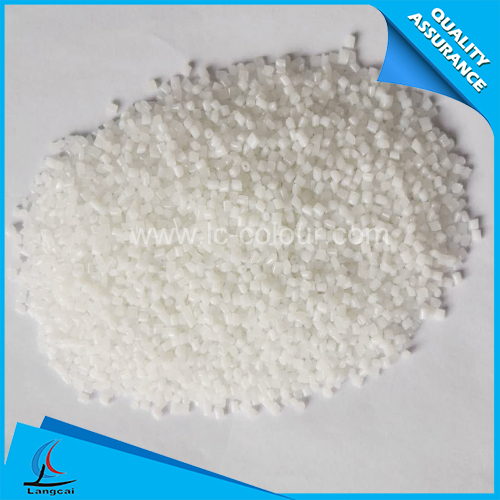
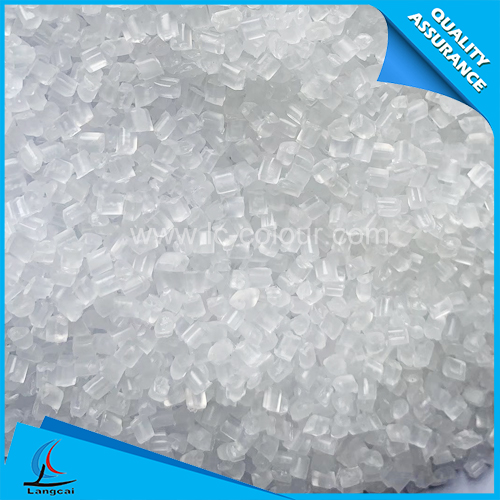
Complex masterbatch, simply put, is a plastic coloring agent made by combining two or more pigments or dyes with a carrier resin. Unlike single-color masterbatch, it directly provides the pre-blended color for the finished product. During injection molding or extrusion, it can be added once to achieve the desired color tone.
From the perspective of component composition, the multicolor masterbatch consists of three parts. The pigment system is the core, and usually inorganic pigments and organic pigments are used in combination. Inorganic pigments such as iron oxide and titanium dioxide provide covering power and weather resistance; organic pigments such as phthalocyanine blue and quinacridone red provide brightness. The carrier resin is selected based on the target plastic product. For polyolefin products, polyethylene or polypropylene carriers are used, while for engineering plastics, corresponding compatible carriers are used. The dispersant helps the pigments evenly distribute in the resin, avoiding color spots or flow marks after molding.
Complex masterbatches bring several significant benefits in actual production. Firstly, they simplify the batching process. Previously, multiple pigments and additives needed to be weighed separately, but now only a single masterbatch needs to be added, reducing dust flying and weighing errors. Secondly, the color batch stability is better. The compounded color masterbatches are pre-adjusted by professional color matching manufacturers, and the color difference of each batch is controlled within an acceptable range, avoiding fluctuations in on-site color matching due to individual differences. Thirdly, the color change cleaning time is shortened. After using the recoloring masterbatches, there is less residue in the hopper and screw, and the cleaning material for switching from dark to light colors can be reduced by about 30%.
In terms of application fields, Complex masterbatches are widely used in daily-use plastics, packaging films, automotive interior components, and household appliance shells, etc. For example, the milky white color of supermarket shopping bags, the gray color of trash cans, and the orange color of children's toys can all be achieved through corresponding types of multicolor masterbatches. For products requiring special effects, multicolor masterbatches can also be combined with pearlescent powders and metallic pigments to produce a glittering texture.
When choosing a Complex masterbatch, it is recommended to pay attention to two indicators. The first is heat resistance, as the masterbatch should not change color or decompose at the molding temperature. The processing temperature of conventional polypropylene is between 200 and 230 degrees Celsius, and it is required that the color difference of the masterbatch within this range be small. The second is compatibility with additives, such as whether there is color shift or surface precipitation when used together with flame retardants or anti-static agents.
Overall, the Complex masterbatch moves the color-matching process earlier to the stage of masterbatch production, helping downstream manufacturers reduce the complexity of on-site operations and improve color consistency. For the production of plastic products with multiple varieties and small batches, this pre-prepared color-matching method has practical value.
- Batch‑to‑batch Color Deviation of Colored Polyester Yarn: Easily‑ignored
- Rapid Pressure Rise of Polyester Spinning Pack: How to Evaluate Dispersion Performance of
- Functional Masterbatch Development for Nonwovens: What Does the New Anti-Slip Technology I
- How Can Mono Color Masterbatch Adapt to Different Plastic Applications? Key Factors from C
- Plastic Processing Shifts to Multi‑variety & Small‑batch Production, Mono̴
- Peak Season for Plastic Processing in Golden Autumn|Yantai Liangcai Plastic Technology Co.
- Spinning Refinement Upgrade Drives Process‑oriented Development of Polyester fiber m
- Polyester fiber masterbatch, Special Coloring Material for Chemical Fiber Dope‑dyein
- Steady Growth in Plastic Coloration Market, Mono Color Masterbatch Expands Application wit
- Custom Mono Color Masterbatch Supplier | Yantai Langcai Plastic Technology