
- Nonwoven Fabrics
- Tailor Made Masterbatch
- Plastic Masterbatch
- Chemical Fiber Masterbatch
- Functional Masterbatch
- Machinery
- Spunbond PP Nonwoven Masterbatch
- Mono Color Masterbatch
- Liquid Color Masterbatch
- Non-woven Masterbatch
- Polyester Fiber Masterbatch
- Nylon Fiber Masterbatch
- Polypropylene Fiber Masterbatch
- Lab Nonwoven Machine
- Lab BCF Machine
- Dryer
- Filler Masterbatch
- Custom Mono Color Masterbatch Supplier | Yantai Langcai Plastic Technology
- Steady Growth in Plastic Coloration Market, Mono Color Masterbatch Expands Application with Flexible Advantages
- Preferred Raw Material for Stable Coloring, Mono Color Masterbatch for Multi-category Plastic Molding
- Refined Upgrading of Plastic Processing, Mono Color Masterbatch Evolves Toward Eco-friendly Customization
- Polyester Fiber Masterbatch Matches Spinning Production for Stable Dope Dyeing of Fibers
- Rising Demand for Fine Spinning Boosts Custom R&D of Polyester Fiber Masterbatch
- Mobile: +8613430333258
- WhatsApp: +8613430333258
- Email:wendy@ytlc-colour.com
- Address:DALAN INDUSTRIAL PARK, ZHANGXING TOWN, ZHAOYUAN CITY, SHANDONG, CHINA
On March 11, 2026 local time, the US government announced, based on Section 301, that it would launch a new round of industrial overcapacity investigation against 16 trading partners including China, the European Union, India, and Vietnam. This investigation focuses on issues such as trade surpluses and capacity utilization in the manufacturing sector. It is expected that new tariffs may be imposed on some economies before the summer. The global textile and apparel industry, as an important part of the manufacturing sector, is facing multiple challenges including supply chain adjustments, rising costs, and increased export pressure.
The survey covered several major core textile-exporting countries, and the pressure on industry exports has increased. Among the economies included in the survey, there are global major exporters of textile and clothing such as China, Vietnam, Thailand, Cambodia, and Bangladesh. These countries are important import sources for US textile and clothing products. Among them, Vietnam and Cambodia, with their production cost advantages, have become key production bases for several international brands, with over 35% of related production capacity concentrated here. China has a complete industrial chain from raw materials at the upstream to finished clothing manufacturing at the downstream, and is a major supplier to the US textile market. Previously, the tariffs imposed by the US on some Chinese clothing products reached around 42%. If the new tariff measures are implemented, it will directly increase the export costs of these countries to the US, reduce corporate profits, and may lead to a decrease in export orders.
The textile industry in Southeast Asia is facing more direct impacts, and the stability of the industrial chain is being tested. Compared with China, the textile industries in countries like Vietnam and Cambodia have a higher reliance on exports to the US market and relatively limited capacity for industrial chain integration. They mainly engage in garment processing and contract manufacturing, with narrow profit margins. Past tariff policies have had certain effects on the local textile industries, leading to reduced orders and capacity contraction. If the new tariffs are implemented, the price advantages of these countries in the US market may weaken, and some small and medium-sized enterprises that rely heavily on exports to the US may face operational pressure, thereby affecting employment and industrial stability.
The global textile supply chain is experiencing disruptions, and the efficiency of trade circulation is facing challenges. The domestic textile and garment manufacturing industry in the United States is weak, and the proportion of domestic production for clothing and footwear is relatively low, with a strong reliance on imported goods. The uncertainty of the tariff policy has made American purchasers more cautious when formulating long-term purchasing plans. The layout of the supply chain is faced with a choice between seeking new suppliers and maintaining existing partnerships. At the same time, as the investigation involves multiple Asian textile-producing countries, the low-cost supplier groups are generally under pressure. In the short term, it is difficult for exporters to explore new markets or for importers to adjust their purchasing sources quickly. As a result, the efficiency of global textile trade circulation may slow down.
In the face of this situation, global textile enterprises need to pay attention to the progress of the investigation and the actual implementation of tariff policies, and adjust their supply chain layout and market strategies in a timely manner, and improve their risk response mechanisms. The development of the global textile industry in 2026 will be continuously influenced by these factors.
Declaration: The content of this article is compiled from the internet and is copyrighted by the original author; if any infringement is found, please notify us immediately and we will delete it.
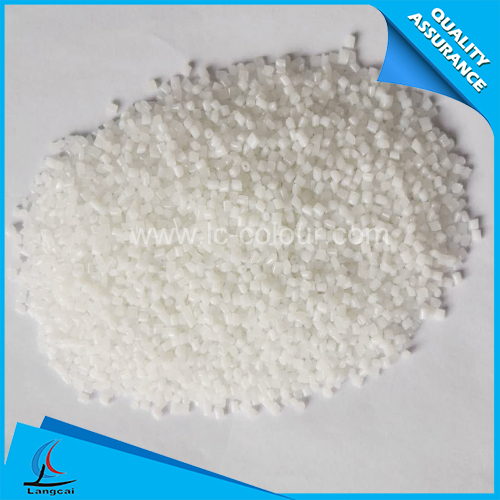
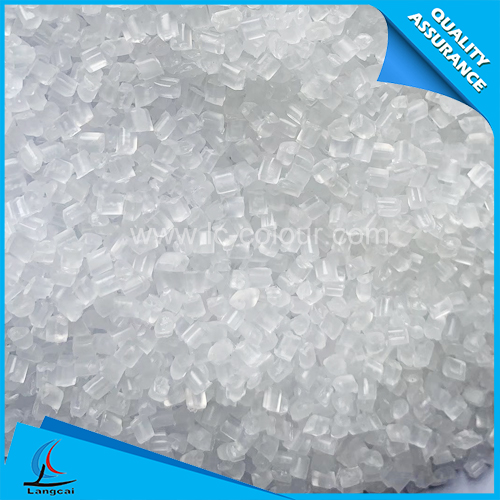
- Steady Growth in Plastic Coloration Market, Mono Color Masterbatch Expands Application wit
- Custom Mono Color Masterbatch Supplier | Yantai Langcai Plastic Technology
- Refined Upgrading of Plastic Processing, Mono Color Masterbatch Evolves Toward Eco-friendl
- Preferred Raw Material for Stable Coloring, Mono Color Masterbatch for Multi-category Plas
- Rising Demand for Fine Spinning Boosts Custom R&D of Polyester Fiber Masterbatch
- Polyester Fiber Masterbatch Matches Spinning Production for Stable Dope Dyeing of Fibers
- Rising Custom Color Demand Drives Refined & Green Upgrade of Complex Color Masterbatch Ind
- Sourcing Guide for Complex Color Masterbatch for Plastic Processors
- Mono Color Masterbatch Industry Accelerates Towards Refinement and Green Development
- How to Choose High-Quality Mono Color Masterbatch? A Practical Procurement Guide