
- Nonwoven Fabrics
- Tailor Made Masterbatch
- Plastic Masterbatch
- Chemical Fiber Masterbatch
- Functional Masterbatch
- Machinery
- Spunbond PP Nonwoven Masterbatch
- Mono Color Masterbatch
- Liquid Color Masterbatch
- Non-woven Masterbatch
- Polyester Fiber Masterbatch
- Nylon Fiber Masterbatch
- Polypropylene Fiber Masterbatch
- Lab Nonwoven Machine
- Lab BCF Machine
- Dryer
- Filler Masterbatch
- Application of High‑Fastness Polyester Fiber Masterbatch in Industrial Textiles
- Practical Points of Polyester Fiber Masterbatch for Recycled‑PET Spinning
- Batch‑to‑batch Color Deviation of Colored Polyester Yarn: Easily‑ignored Carrier Compatibility of Polyester Fiber Masterbatch
- Rapid Pressure Rise of Polyester Spinning Pack: How to Evaluate Dispersion Performance of Polyester Fiber Masterbatch
- How Can Mono Color Masterbatch Adapt to Different Plastic Applications? Key Factors from Color Stability to Processing Efficiency
- Functional Masterbatch Development for Nonwovens: What Does the New Anti-Slip Technology Indicate?
- Mobile: +8613430333258
- WhatsApp: +8613430333258
- Email:wendy@ytlc-colour.com
- Address:DALAN INDUSTRIAL PARK, ZHANGXING TOWN, ZHAOYUAN CITY, SHANDONG, CHINA
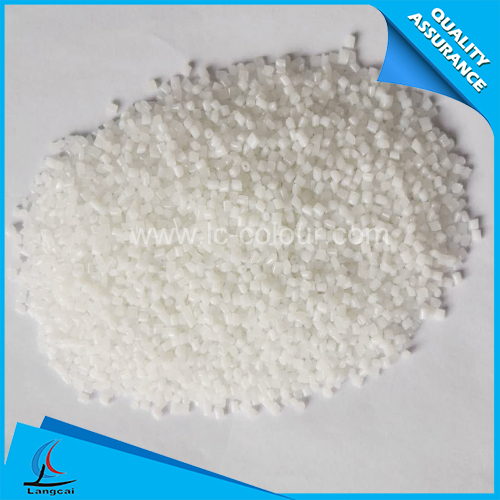
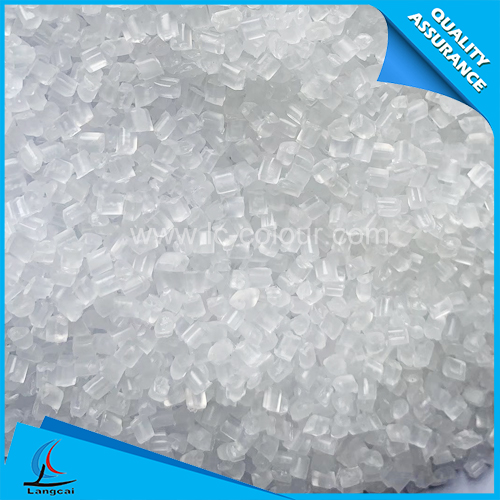
The full name of plastic masterbatch is color masterbatch, also known as color species. It is a new type of colorant for polymer materials, also known as pigment preparation (Pigment Preparation). Masterbatches are mainly used on plastics. The color masterbatch is composed of three basic elements: pigments or dyes, carriers and additives. It is an aggregate obtained by uniformly loading a super-constant pigment in the resin. It can be called Pigment Concentration, so its coloring The force is higher than the pigment itself. Mixing a small amount of color masterbatch and uncolored resin during processing can achieve a colored resin or product with a designed pigment concentration.
Plastic masterbatch is a new type of colorant for polymer materials. This superior coloring performance saves energy, has no dust, and is pollution-free. It is widely used in polyethylene, ABS, nylon, PMMA, PET and other resins. Colorful fibers, clothing, daily plastics, wires and cables, household appliances, agricultural films, auto parts and other products.
Plastic masterbatch is a large amount of raw materials added to a small amount of basic resin to form pellets. When using, only a small amount of plastic can be dyed. The advantage is that it reduces the environmental pollution and uneven color of on-site dyeing. Pigments are neat and added as needed.
Plastic masterbatch is generally composed of three parts, colorant carrier dispersant, after being kneaded by a high-speed mixer, crushed, extruded and pulled into granules, plastic masterbatch has high concentration and good dispersibility during plastic processing. , cleaning and other significant advantages.
- Application of High‑Fastness Polyester Fiber Masterbatch in Industrial Textiles
- Practical Points of Polyester Fiber Masterbatch for Recycled‑PET Spinning
- Batch‑to‑batch Color Deviation of Colored Polyester Yarn: Easily‑ignored
- Rapid Pressure Rise of Polyester Spinning Pack: How to Evaluate Dispersion Performance of
- Functional Masterbatch Development for Nonwovens: What Does the New Anti-Slip Technology I
- How Can Mono Color Masterbatch Adapt to Different Plastic Applications? Key Factors from C
- Plastic Processing Shifts to Multi‑variety & Small‑batch Production, Mono̴
- Peak Season for Plastic Processing in Golden Autumn|Yantai Liangcai Plastic Technology Co.
- Spinning Refinement Upgrade Drives Process‑oriented Development of Polyester fiber m
- Polyester fiber masterbatch, Special Coloring Material for Chemical Fiber Dope‑dyein