- Nonwoven Fabrics
- Tailor Made Masterbatch
- Plastic Masterbatch
- Chemical Fiber Masterbatch
- Functional Masterbatch
- Machinery
- Spunbond PP Nonwoven Masterbatch
- Mono Color Masterbatch
- Liquid Color Masterbatch
- Non-woven Masterbatch
- Polyester Fiber Masterbatch
- Nylon Fiber Masterbatch
- Polypropylene Fiber Masterbatch
- Lab Nonwoven Machine
- Lab BCF Machine
- Dryer
- Filler Masterbatch
- How Can Mono Color Masterbatch Adapt to Different Plastic Applications? Key Factors from Color Stability to Processing Efficiency
- Functional Masterbatch Development for Nonwovens: What Does the New Anti-Slip Technology Indicate?
- Peak Season for Plastic Processing in Golden Autumn|Yantai Liangcai Plastic Technology Co., Ltd.: Mono‑color Masterbatch Supports Flexible Color‑matching Production
- Plastic Processing Shifts to Multi‑variety & Small‑batch Production, Mono‑color Masterbatch Shows Industrial Value for Flexible Color Matching
- Polyester fiber masterbatch, Special Coloring Material for Chemical Fiber Dope‑dyeing
- Spinning Refinement Upgrade Drives Process‑oriented Development of Polyester fiber masterbatch
- Mobile: +8613430333258
- WhatsApp: +8613430333258
- Email:wendy@ytlc-colour.com
- Address:DALAN INDUSTRIAL PARK, ZHANGXING TOWN, ZHAOYUAN CITY, SHANDONG, CHINA
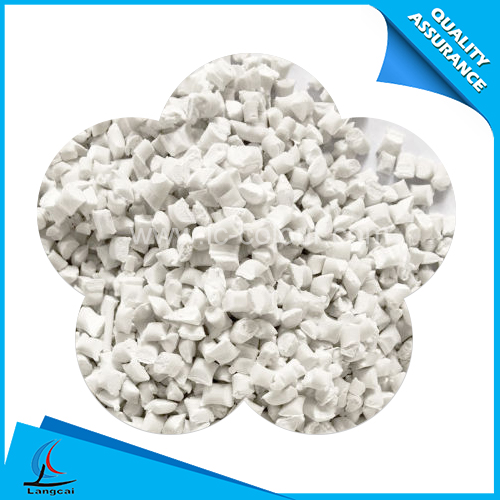
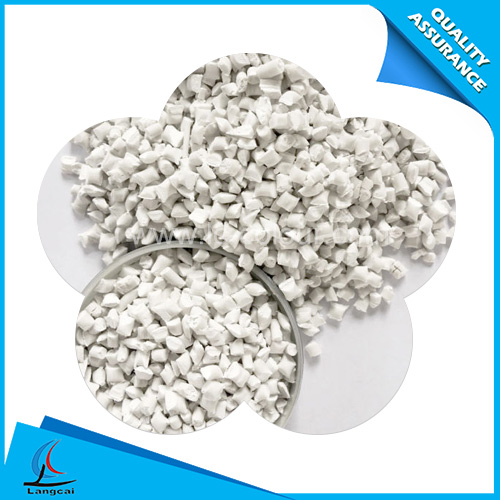
Filler Masterbatch with CACO3
It can be mixed with Poly propylene resin for extrusion, thermal forming, injection etc. and is easy to disperse with good compatibility. It functions as a modifier to improve the heat resistance, tensile strength, size stability and printability. It also reduces heat release from burning and there force prevents further environmental pollution.
Inquiry

Features:
1. It can decrease your cost and increase the whiteness of the products as well,.
2. It can be mixed with Poly propylene resin for extrusion, thermal forming, injection etc. and is easy to disperse with good compatibility.
3. It functions as a modifier to improve the heat resistance, tensile strength, size stability and printability.
4. It also reduces heat release from burning and therefore prevents further environmental pollution.
Range of Application
1.Fiber (Nonwoven fabrics Carpet, Textiles, Upholstery, etc.)
2.Film ( shopping bags, casting film, multilayer film, etc.)
3.Injection Molding ( Automotive, Electronic, Construction, House wares,
Furniture, Toys, etc.)
Feeding Ratio:
General loading is recommended at 5~70% with variation according to the products.
The processing temperature is set according to resin’s processing temperature and it applies well among 160 - 280℃.
-
Becky Liang
Mobile: +8613430333258 -
WhatsApp:+8613430333258
-
wendy@ytlc-colour.com
-
DALAN INDUSTRIAL PARK, ZHANGXING TOWN, ZHAOYUAN CITY, SHANDONG, CHINA