
- Nonwoven Fabrics
- Tailor Made Masterbatch
- Plastic Masterbatch
- Chemical Fiber Masterbatch
- Functional Masterbatch
- Machinery
- Spunbond PP Nonwoven Masterbatch
- Mono Color Masterbatch
- Liquid Color Masterbatch
- Non-woven Masterbatch
- Polyester Fiber Masterbatch
- Nylon Fiber Masterbatch
- Polypropylene Fiber Masterbatch
- Lab Nonwoven Machine
- Lab BCF Machine
- Dryer
- Filler Masterbatch
- Custom Mono Color Masterbatch Supplier | Yantai Langcai Plastic Technology
- Steady Growth in Plastic Coloration Market, Mono Color Masterbatch Expands Application with Flexible Advantages
- Preferred Raw Material for Stable Coloring, Mono Color Masterbatch for Multi-category Plastic Molding
- Refined Upgrading of Plastic Processing, Mono Color Masterbatch Evolves Toward Eco-friendly Customization
- Polyester Fiber Masterbatch Matches Spinning Production for Stable Dope Dyeing of Fibers
- Rising Demand for Fine Spinning Boosts Custom R&D of Polyester Fiber Masterbatch
- Mobile: +8613430333258
- WhatsApp: +8613430333258
- Email:wendy@ytlc-colour.com
- Address:DALAN INDUSTRIAL PARK, ZHANGXING TOWN, ZHAOYUAN CITY, SHANDONG, CHINA
(1) When choosing a masterbatch, it should be selected according to the range of selection. Polypropylene masterbatch is divided into fine denier and coarse denier. Coarse masterbatch colors cannot be used for fine denier color matching, and should be considered when matching colors. For the denier per filament of the spun fiber, choose a masterbatch of the same grade.
(2) The masterbatch selected should be the product of the same manufacturer. In order to reduce the cost, high-concentration masterbatch should be used. The pigments of masterbatch are divided into high, medium and low grade. When matching colors, different grades of masterbatches should be appropriately selected according to the quality requirements of fiber formation. In order to avoid the quality variation of the finished fiber caused by the different light and heat stability of the pigment, the color of the masterbatch that meets the fiber quality requirements and has the same light and heat stability level should be selected when matching the color, and the concentration of the thick fiber is higher than that of the thin fiber. Low, its masterbatch application ratio is proportional to the square root of the denier.
(3) In order to reduce the fiber chromatic aberration after color matching, the masterbatch should be diluted and the mixing ratio should be controlled. The filament is not less than 3%-10%, the short fiber is not less than 1%-3%, and the monochromatic bulk is continuous The filament is spun with three-color equipment, and the masterbatch must be fed into the extruder after mixing. At the same time, in order to increase the mixing capacity of the melt itself, a mixing device can be added in the extruder section.
(4) Masterbatch mixing method After the color formula of the yarn is determined, evenly dispersing the masterbatch in the polypropylene fiber slices before spinning is the key to ensuring product quality. There are two specific mixing methods. One is the heavy method and the volume method. After the masterbatch is melted in the extruder or at the back, it is injected into the polypropylene melt with a small extruder, with good uniformity. There are five kinds of masterbatch injection devices available in China, namely, the variable method and Y-mixer interval color matching of Hercules Company in the United States; the volumetric metering and mixing color matching one-step method of Colotronic Company in Germany; and the auxiliary small screw melt metering of Barmag Company in Germany Injection method; variable method small screw solid continuous metering and mixing color matching of Italy Moclerne company; Switzerland Sanddoa company's LWF loss-in-weight feeding continuous metering and color matching, etc.
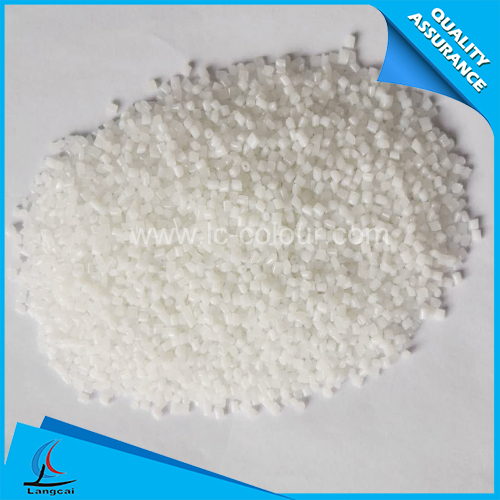
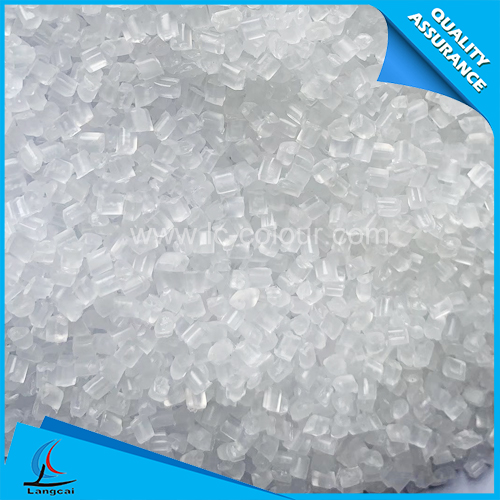
- Steady Growth in Plastic Coloration Market, Mono Color Masterbatch Expands Application wit
- Custom Mono Color Masterbatch Supplier | Yantai Langcai Plastic Technology
- Refined Upgrading of Plastic Processing, Mono Color Masterbatch Evolves Toward Eco-friendl
- Preferred Raw Material for Stable Coloring, Mono Color Masterbatch for Multi-category Plas
- Rising Demand for Fine Spinning Boosts Custom R&D of Polyester Fiber Masterbatch
- Polyester Fiber Masterbatch Matches Spinning Production for Stable Dope Dyeing of Fibers
- Rising Custom Color Demand Drives Refined & Green Upgrade of Complex Color Masterbatch Ind
- Sourcing Guide for Complex Color Masterbatch for Plastic Processors
- Mono Color Masterbatch Industry Accelerates Towards Refinement and Green Development
- How to Choose High-Quality Mono Color Masterbatch? A Practical Procurement Guide