
- Nonwoven Fabrics
- Tailor Made Masterbatch
- Plastic Masterbatch
- Chemical Fiber Masterbatch
- Functional Masterbatch
- Machinery
- Spunbond PP Nonwoven Masterbatch
- Mono Color Masterbatch
- Liquid Color Masterbatch
- Non-woven Masterbatch
- Polyester Fiber Masterbatch
- Nylon Fiber Masterbatch
- Polypropylene Fiber Masterbatch
- Lab Nonwoven Machine
- Lab BCF Machine
- Dryer
- Filler Masterbatch
- Rapid Pressure Rise of Polyester Spinning Pack: How to Evaluate Dispersion Performance of Polyester Fiber Masterbatch
- Batch‑to‑batch Color Deviation of Colored Polyester Yarn: Easily‑ignored Carrier Compatibility of Polyester Fiber Masterbatch
- How Can Mono Color Masterbatch Adapt to Different Plastic Applications? Key Factors from Color Stability to Processing Efficiency
- Functional Masterbatch Development for Nonwovens: What Does the New Anti-Slip Technology Indicate?
- Peak Season for Plastic Processing in Golden Autumn|Yantai Liangcai Plastic Technology Co., Ltd.: Mono‑color Masterbatch Supports Flexible Color‑matching Production
- Plastic Processing Shifts to Multi‑variety & Small‑batch Production, Mono‑color Masterbatch Shows Industrial Value for Flexible Color Matching
- Mobile: +8613430333258
- WhatsApp: +8613430333258
- Email:wendy@ytlc-colour.com
- Address:DALAN INDUSTRIAL PARK, ZHANGXING TOWN, ZHAOYUAN CITY, SHANDONG, CHINA
Color masterbatch coloring
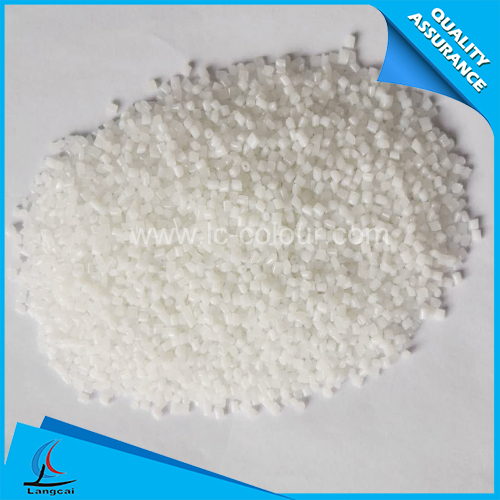
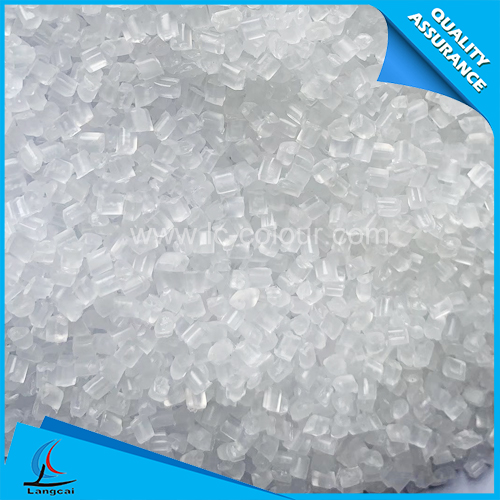
Masterbatch coloring is now the most commonly used plastic coloring method. The coloring agent dispersed in the carrier, with the masterbatch color resin simple mixed for the manufacture of plastic products. The pigment is mixed with the colorant and the colorant to be granulated into colored plastic, and is used in the molding process. Dry powder coloring: the powdery colorant and color resin evenly mixed directly after the manufacture of plastic products.
Color Masterbatch pigment selection
Different functional masterbatch, the choice of paint, the performance is different, the following were introduced under the functional masterbatch how to choose the pigment:
Heat-resistant masterbatch selected pigments, the most basic requirements of the polypropylene fiber production process can withstand the temperature, to maintain its performance stability. Temperature temperature is generally required for more than 270 ~ 280 ℃.
Dispersible masterbatch pigment should be excellent in dispersibility, and in the masterbatch to be dispersed evenly, and the use of dispersants will not reduce the quality of polypropylene fiber, otherwise it can not produce good quality liquid stained liquid, the operation is not stable , It is easy to break or produce abnormal fibers when drawing fibers.
Brightness Polypropylene liquid coloring has a variety of uses, which are used for bedspreads and knitted fabrics, require bright colors. Because organic pigments are bright and bright, and easy to color, so that the use of organic pigments for the use of the above.
Light resistance In the light of the role of some pigments have photosensitive effect, so that coloring fiber fade and fragile, and the light resistance of the pigment is basically related to its chemical structure, so the production of masterbatch should pay full attention to the light resistance of light, light Of the pigment need to be used, you can consider adding UV absorbers.
- Batch‑to‑batch Color Deviation of Colored Polyester Yarn: Easily‑ignored
- Rapid Pressure Rise of Polyester Spinning Pack: How to Evaluate Dispersion Performance of
- Functional Masterbatch Development for Nonwovens: What Does the New Anti-Slip Technology I
- How Can Mono Color Masterbatch Adapt to Different Plastic Applications? Key Factors from C
- Plastic Processing Shifts to Multi‑variety & Small‑batch Production, Mono̴
- Peak Season for Plastic Processing in Golden Autumn|Yantai Liangcai Plastic Technology Co.
- Spinning Refinement Upgrade Drives Process‑oriented Development of Polyester fiber m
- Polyester fiber masterbatch, Special Coloring Material for Chemical Fiber Dope‑dyein
- Steady Growth in Plastic Coloration Market, Mono Color Masterbatch Expands Application wit
- Custom Mono Color Masterbatch Supplier | Yantai Langcai Plastic Technology